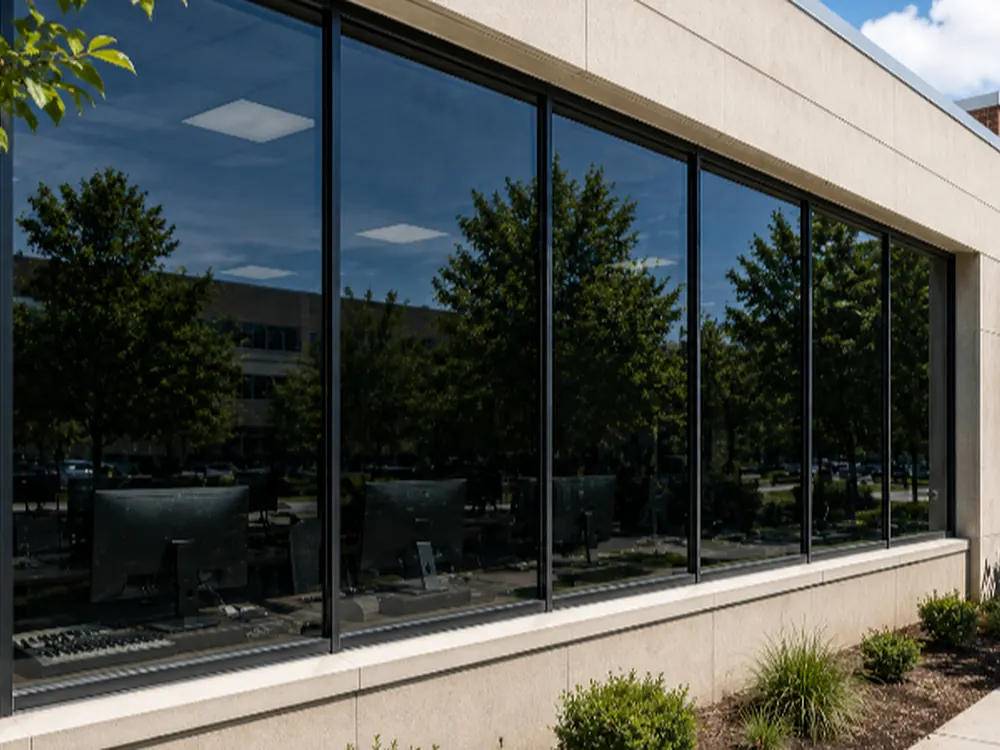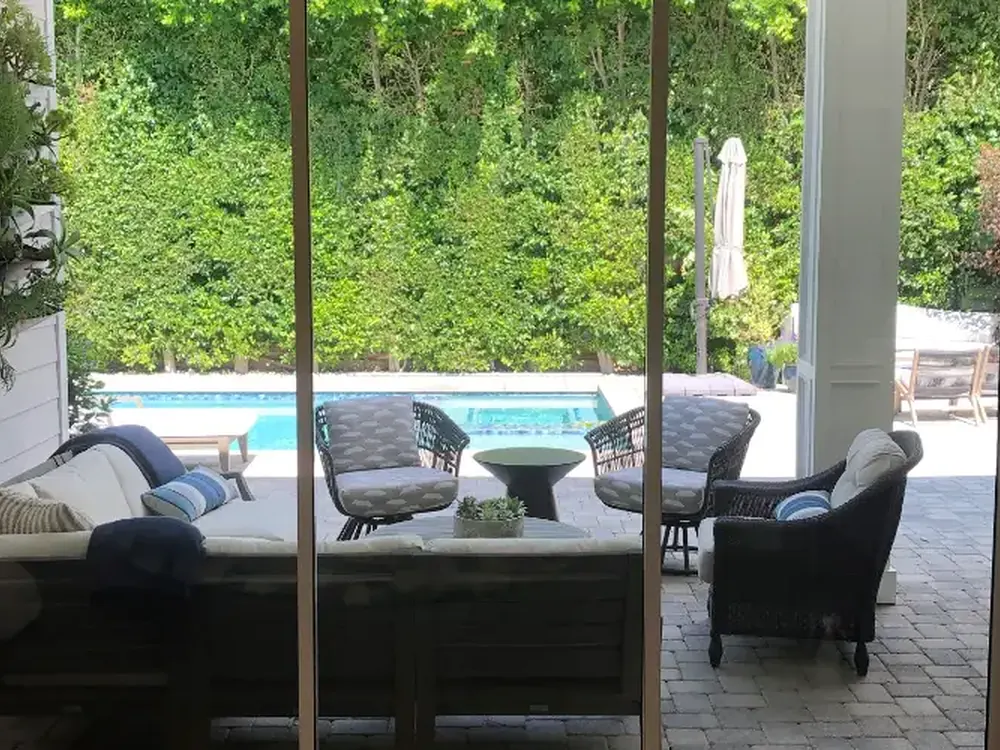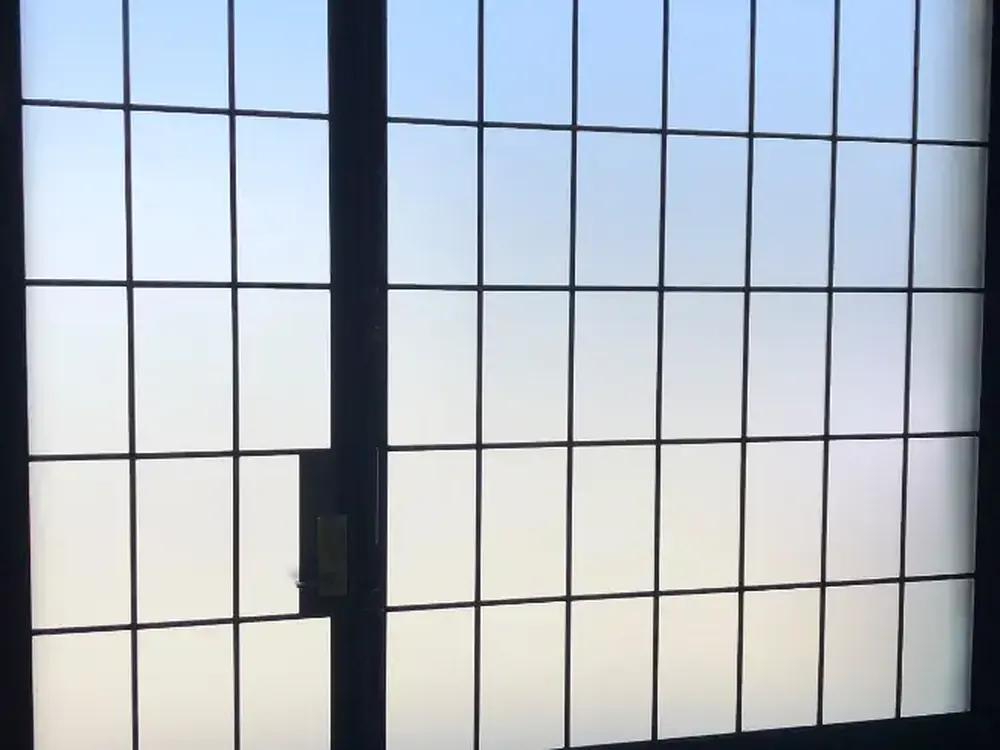
Every building owner eventually receives the same proposal: replace the glazing with high-performance units and watch the cooling bill fall. The performance is real. So is the six- or seven-figure number at the bottom, and the permit timeline attached to it. Solar control film gets a large share of the same benefit for a small share of the cost — and crucially, a tenant can authorise it.
Where the cooling load comes from
In a glass-heavy commercial building, solar heat gain through windows is one of the largest single contributors to cooling demand. Sun hits the glass, energy passes through, and the HVAC system spends the afternoon removing heat that arrived for free.
The governing figure is the solar heat gain coefficient — the fraction of solar energy that gets through the glass. Clear single-pane sits around 0.8, meaning roughly 80% comes straight in. A well-specified solar control film pulls that number down substantially without touching the glazing itself.
Why leased space changes the maths
Most of the Westside's creative office stock is leased on terms of five to ten years, and a tenant with seven years left has no path to a glazing replacement. That decision belongs to ownership, competes with every other capital request in the building, and rarely wins.
Film is the exception. It's low enough in cost to sit inside a tenant improvement budget, it's reversible at lease end, and it needs landlord consent rather than landlord capital. That's the practical reason it's the most common envelope improvement in this market, more than any performance argument.
Getting a number you can trust
Be sceptical of any installer quoting a savings percentage before looking at the building. A credible proposal shows its work:
- A per-elevation glass schedule, with orientation and existing makeup recorded.
- Manufacturer figures for solar heat gain, light transmission, and infrared rejection on the exact product.
- A modelled before-and-after on your own glazing rather than a generic example.
- A thermal stress check clearing the film for the specific units in your building.
That last one is not optional. Dual-pane and factory-tinted glass can crack from the added heat load if the wrong film goes on, and the glazing warranty goes with it. It is the most expensive mistake available in this trade.
The coastal caveat on payback
Honesty about our own market: payback here is slower than inland. The sea breeze and the marine layer mean a Santa Monica building has a genuinely milder cooling season than one in Woodland Hills, and the energy case alone is correspondingly weaker.
What tends to carry the decision on the coast is comfort and glare rather than kilowatt-hours — perimeter desks that become usable, blinds that stay up, and a view that stays part of the lease. If someone quotes you a Valley payback period on a beach-adjacent building, they haven't looked at your building.
Title 24 and rebates
California's Title 24 standards apply when you alter a building envelope, and window film can contribute toward compliance on retrofit projects. Regional utility efficiency programmes have at various points offered incentives for solar control film — worth checking, because the programmes change and the paperwork is straightforward when it applies.
We provide performance documentation for both, the same data package we'd hand an energy consultant, included whether or not you end up filing anything. If you want an assessment with real numbers on your glazing, get in touch and we'll survey the building at no cost.