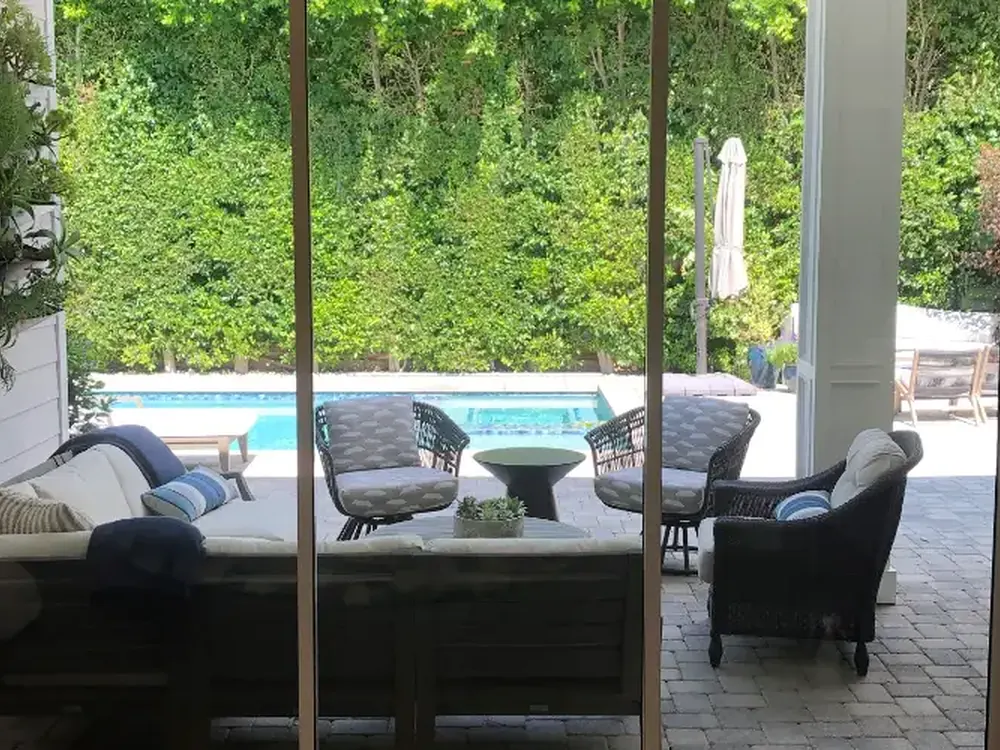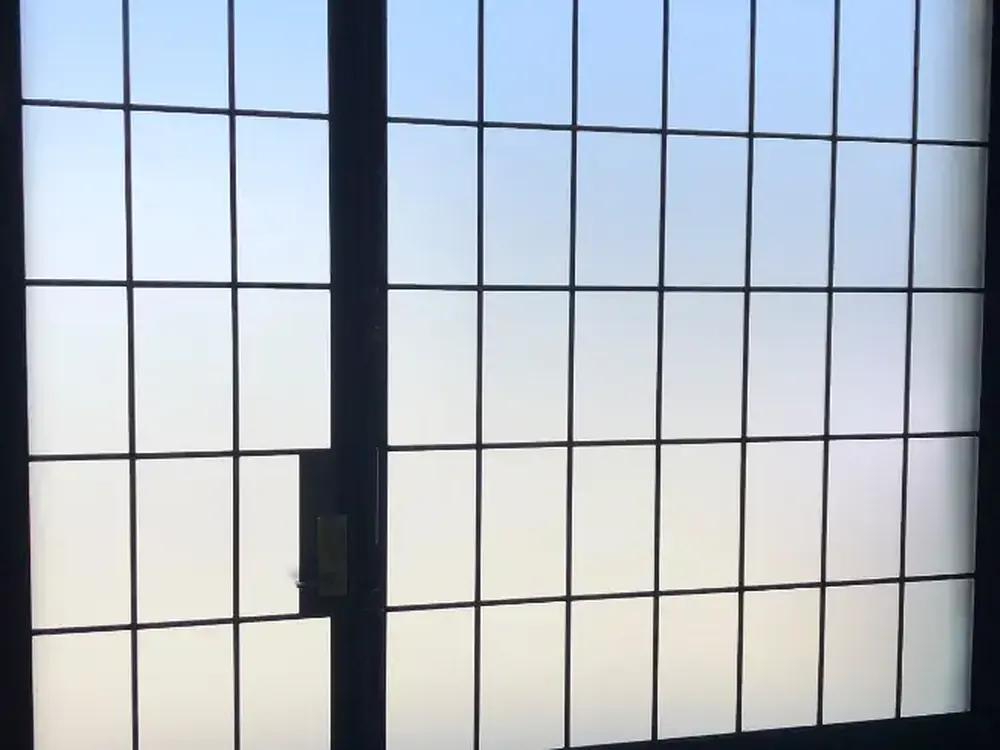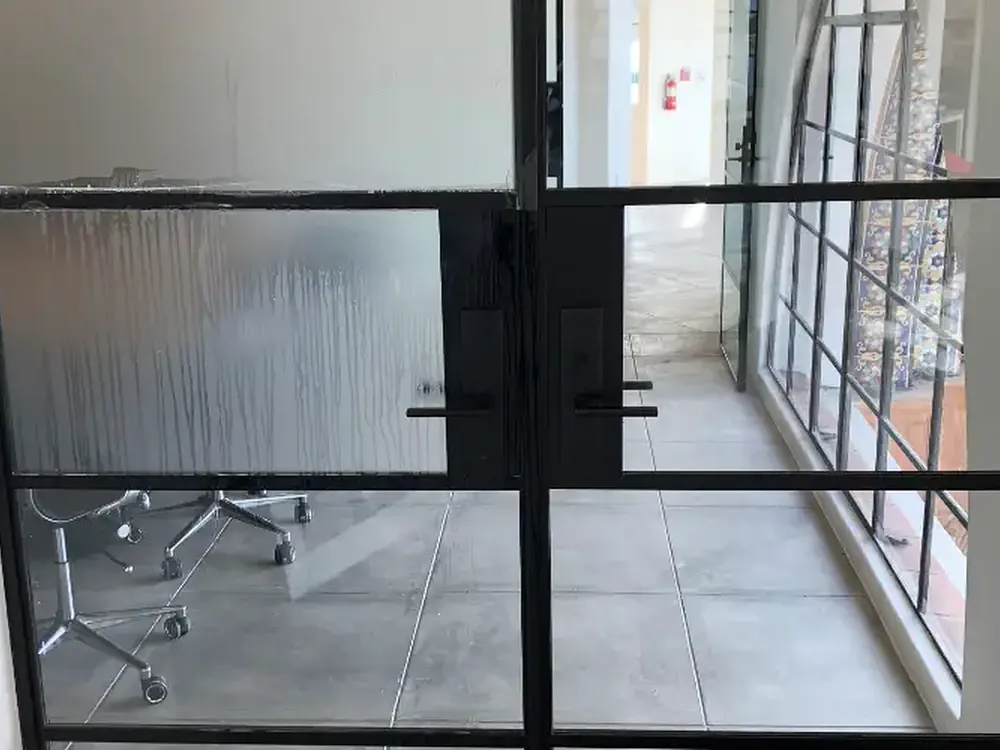
Nearly every Santa Monica home we assess has the same complaint, and it is almost never the one people arrive with. They say the room is hot. What's actually driving them out of it at four in the afternoon is glare — and glare and heat are not the same problem, do not have the same fix, and get confused constantly.
Two suns, not one
A west-facing window near the coast receives direct sunlight, which everyone accounts for, and a second dose reflected off the ocean surface, which almost nobody does. Water is a poor mirror at high sun angles and an excellent one at low angles, so as the sun drops toward the horizon, the reflected component climbs sharply at exactly the hour it's least welcome.
The practical result is that a coastal room can measure cooler than an inland room and still be more unpleasant to sit in. The heat load is genuinely lower — the marine layer and the sea breeze see to that — but the luminance hitting your eye is higher, and the eye is what decides whether a room is usable.
Why heat-rejection numbers mislead here
Window film is marketed on infrared rejection, because that's the impressive figure. A good ceramic will stop something like 80% of the infrared, and inland that is exactly the number that matters — it's the difference between a west bedroom being usable in August or not.
Glare is governed by a different figure: visible light transmission. A film can reject enormous amounts of heat while passing plenty of visible light, which is precisely what you want in Sherman Oaks and precisely what leaves you squinting in Ocean Park. When we quote coastal glass we lead with VLT and treat IR rejection as the secondary number, which is the reverse of how most of the industry sells it.

The trap of going too dark
Once glare is identified as the problem, the obvious move is a dark film. It works, and it's usually a mistake. The reason the room has that window is the water, and a heavy film flattens the ocean into a grey field and drains the colour out of a sunset — the exact thing the room was built to frame.
What normally works better is a moderate, low-reflectivity film chosen for even light reduction rather than maximum darkness, paired with something that actually addresses the low-angle component. In practice the difference between the right and wrong choice here is one or two steps on the VLT scale, which is why looking at samples against your own window at the right hour matters more than any brochure.
- Ask to see samples at four or five in the afternoon, not at eleven in the morning.
- Look at the sample against the water, not against a wall — reflected glare behaves differently.
- Check the exterior reflectivity if you're in a managed building; boards care about this.
- Get the VLT figure in writing on the quote, not just a product name.
What film can't fix
Film reduces glare substantially. It does not eliminate it, and anybody promising that is selling something. If your window looks directly west at an unobstructed horizon, there will still be a period around sunset when the sun itself is in the frame, and no film short of something that ruins the view will change that.
For those rooms the honest answer is film plus a shade you deploy for forty minutes a day, rather than a film so dark you've given up the view permanently to solve a problem that lasts less than an hour. We'd rather tell you that at the quote stage than after you've paid for it.
Salt, and why installers avoid the coast
One more coastal specific worth knowing when you compare bids. Glass this close to the water carries a saline deposit that normal cleaning smears around instead of lifting. Film applied over it looks perfect for a year, then starts releasing at the edges — and that failure gets blamed on the product when it was really the prep.
It's the single most common reason we get called to re-do somebody else's work in Santa Monica. Ask any installer quoting your job what their prep is for salt. If the answer is just "we clean the glass," keep looking. If you'd like an assessment that accounts for all of this, ask for a free quote and we'll walk your exposures with you.